
Use the right pricing lane
Multifamily buyers are reviewed for the purchasing path that fits the account and project — CFS Pro, project/volume or qualifying container pricing — rather than being treated like a one-cart retail order.
Build one repeatable apartment flooring program across units and properties, then match the supply path to the schedule and buying volume. CFS helps multifamily owners, operators and flooring contractors standardize resident-unit specifications, use stocked U.S. inventory when turns are urgent, and compare CFS Pro, project/volume and container pricing beginning at 18,000 sq ft.
COMPLIMENTARY SAMPLES FOR QUALIFIED MULTIFAMILY PROGRAMS · STOCKED + PROJECT + CONTAINER SOURCING
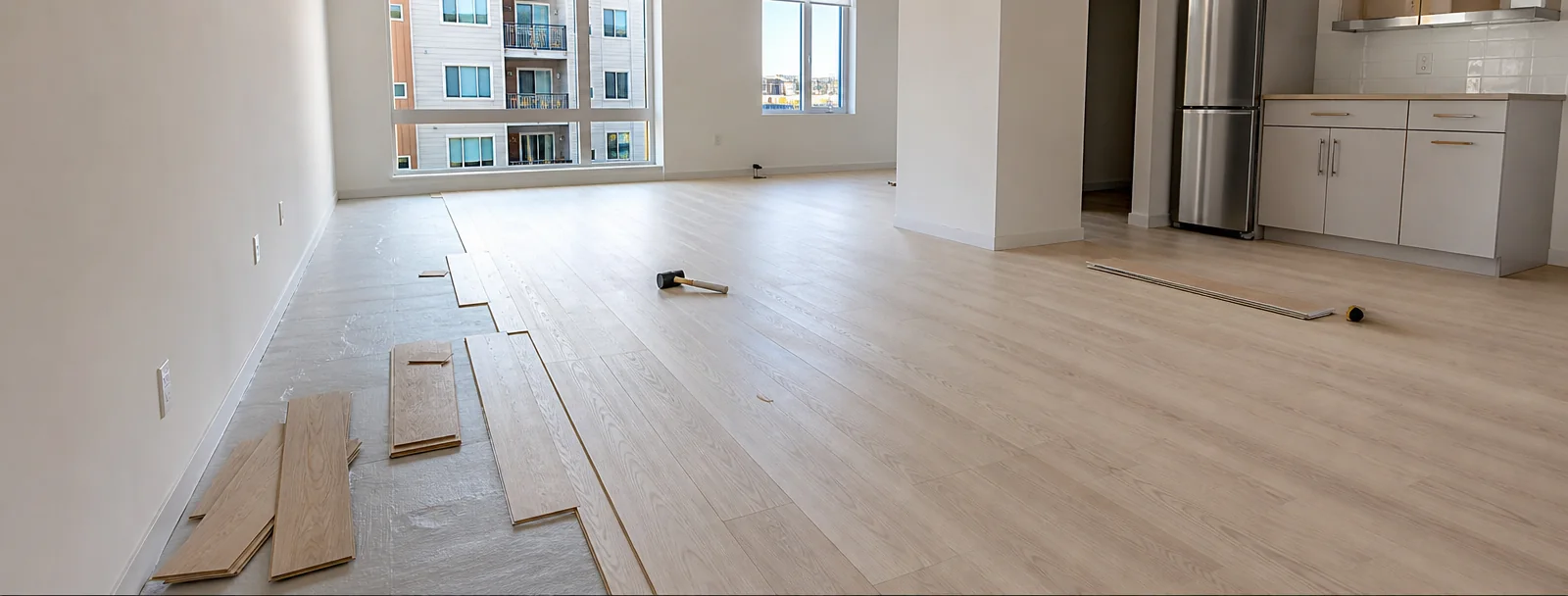
A good multifamily flooring program makes apartment flooring easy to repeat. It is not built around the largest possible color library; it is built around a controlled set of products that fit the property, can be documented clearly, can be ordered in full cartons, and can be identified again when the next unit turns. The goal is simple: make the second order easier than the first.
For an owner or property manager, that usually means controlling the product name, construction, color, carton coverage, installation method, accessories and remaining reserve material. For a flooring contractor, it means receiving a repeatable specification instead of solving the same product-selection problem unit by unit.
Multifamily buyers are reviewed for the purchasing path that fits the account and project — CFS Pro, project/volume or qualifying container pricing — rather than being treated like a one-cart retail order.
Narrow the portfolio to a controlled set of products, then retain the exact product record, carton coverage and technical documentation so the next building or turn starts from an approved standard.
Use stocked U.S. inventory for urgent turns and phased renovations, or compare larger programs against project and qualifying nearshore/container sourcing when the schedule allows.
Resident units may benefit from a highly standardized flooring program, but corridors, leasing spaces and amenity areas can have different traffic, acoustic, maintenance and design requirements. Treat the building as a set of use conditions rather than forcing one product into every space.
Choose a durable visual that can work across common unit types, then document the exact carton coverage, trim and reserve-material plan so turns stay consistent.
Long runs, transitions, rolling loads, maintenance and floor-ceiling acoustics can push the corridor specification in a different direction from the apartment interior.
These spaces often carry more design weight and public traffic. LVP, carpet tile, porcelain or another commercial system may fit depending on the project.
Fitness rooms, club rooms and other amenities should be evaluated around the actual use. Rubber, resilient flooring, carpet tile or tile may each have a place.
For apartment flooring programs, a 20 mil commercial SPC construction is a practical baseline because it combines a commercial wear layer, repeatable wood-look visuals, straightforward maintenance and a specification that can be reordered across turns. The full 12-color TruGrade 20 line below lets a team narrow the visual first, then move the selected color into the appropriate CFS Pro, project/volume or container pricing path.
Pricing for multifamily programs is reviewed at the account or project level. The public website price is shown only as a reference. Qualified programs can request complimentary project samples before locking the standard.
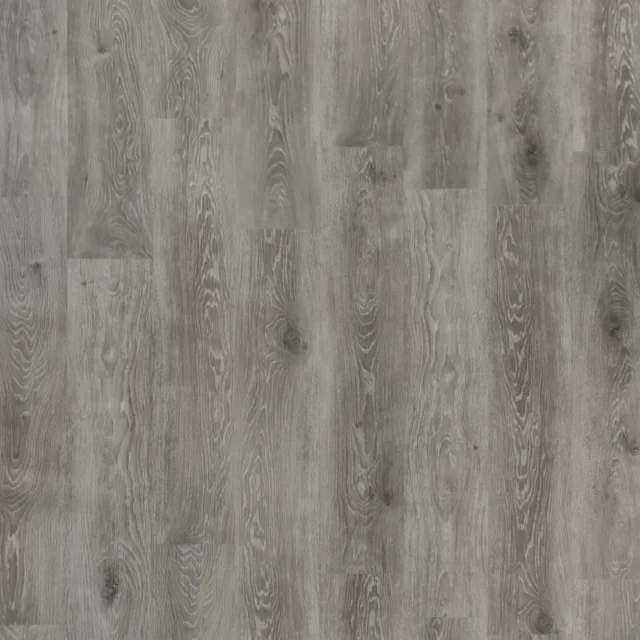 20 MIL COMMERCIAL
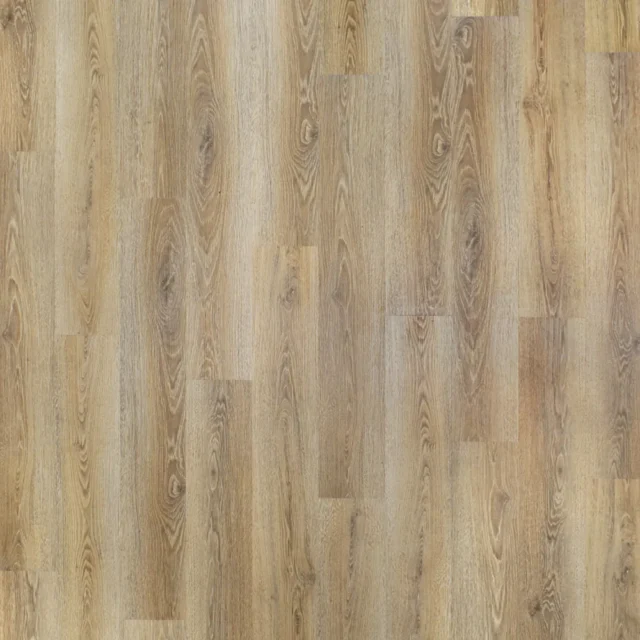 20 MIL COMMERCIAL
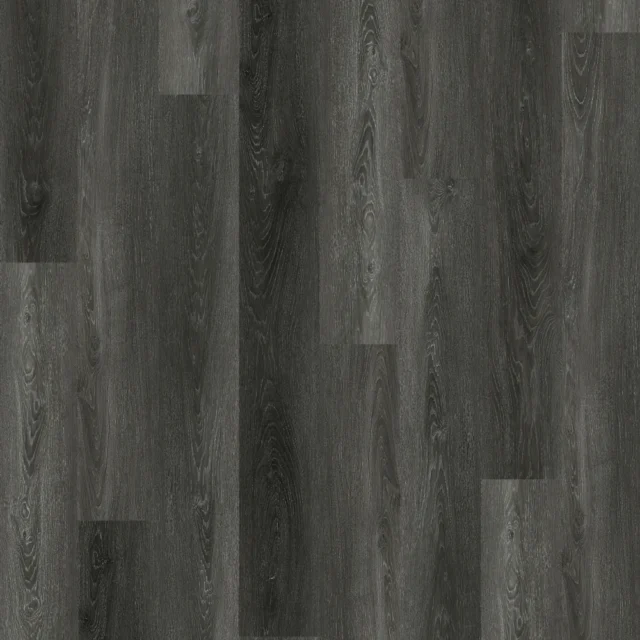 20 MIL COMMERCIAL
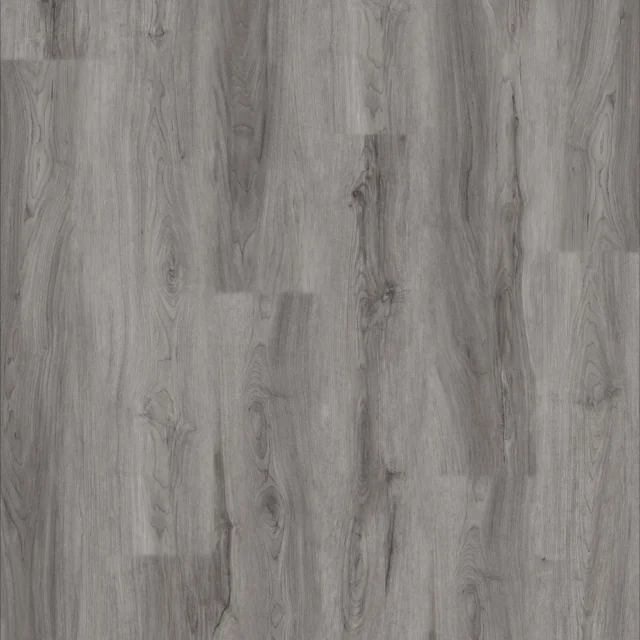 20 MIL COMMERCIAL
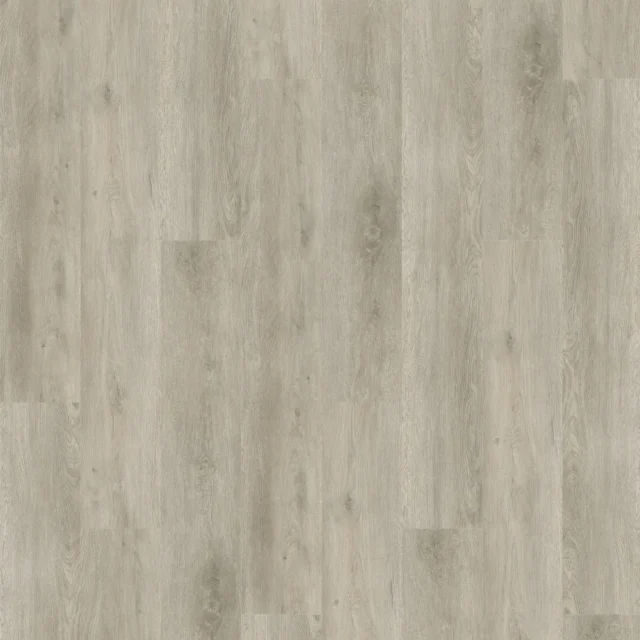 20 MIL COMMERCIAL
 20 MIL COMMERCIAL
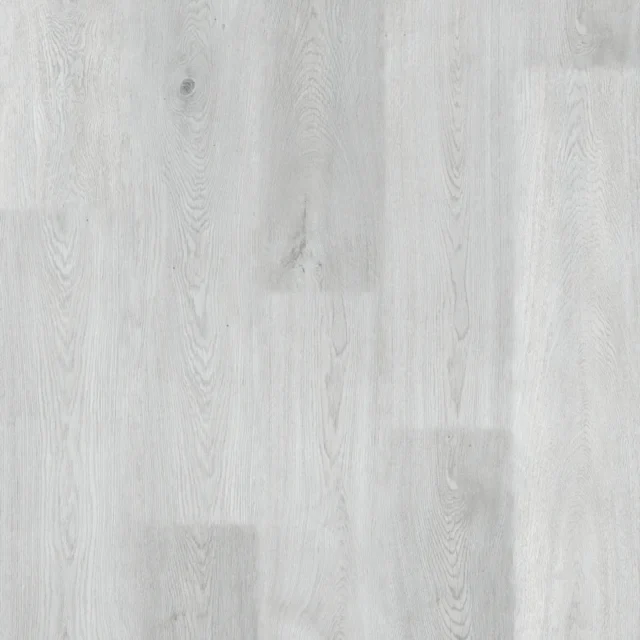 20 MIL COMMERCIAL
 20 MIL COMMERCIAL
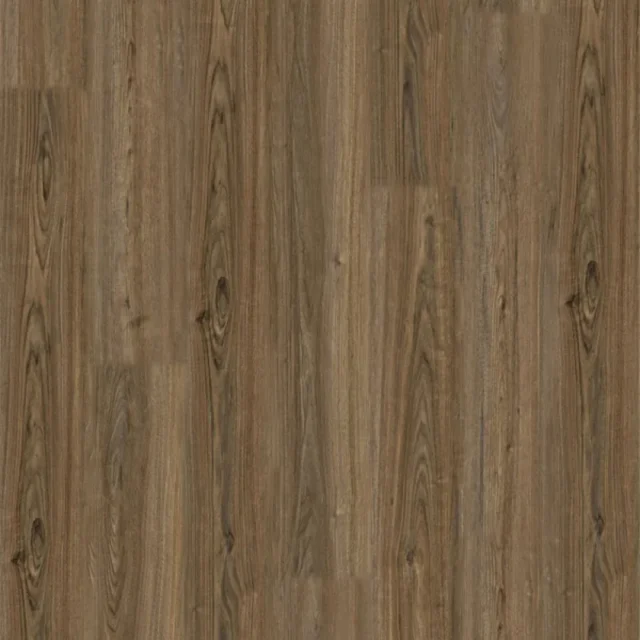 20 MIL COMMERCIAL
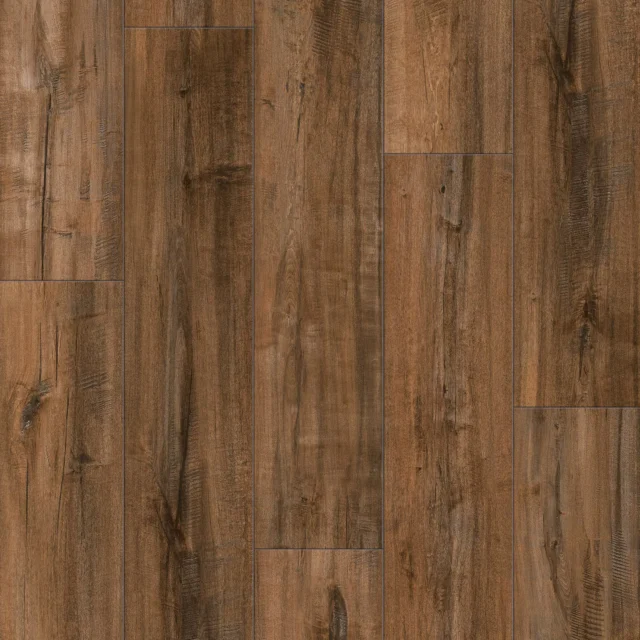 20 MIL COMMERCIAL
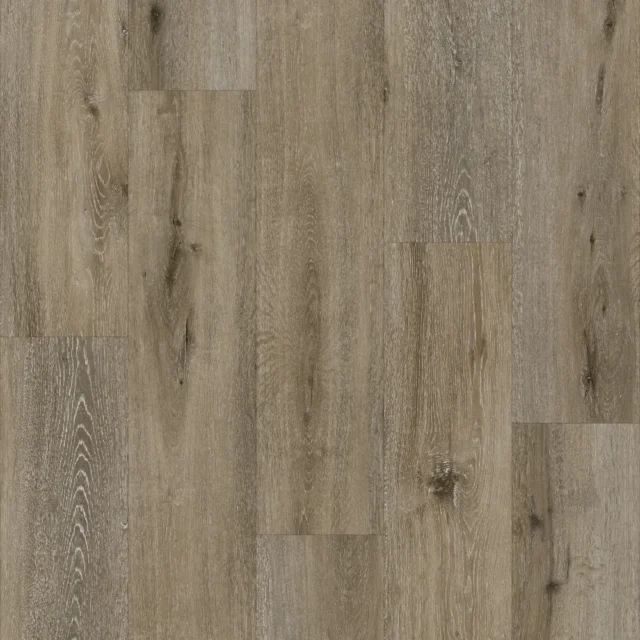 20 MIL COMMERCIAL
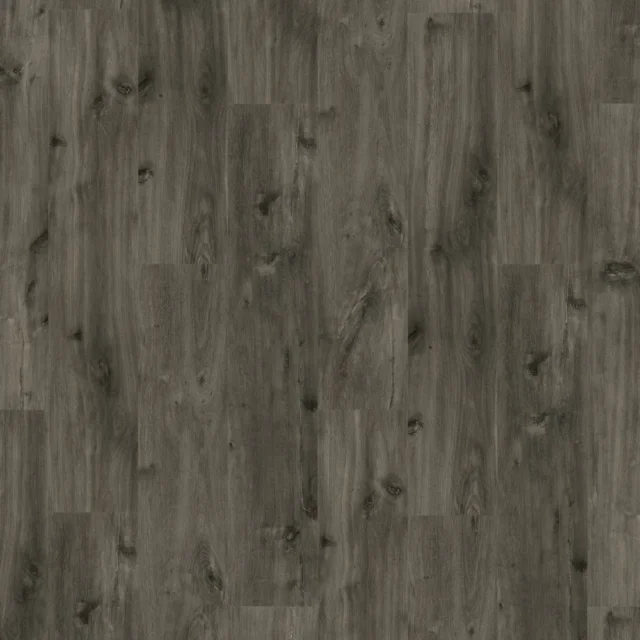 20 MIL COMMERCIAL
There is no honest rule that says every apartment property should use the same flooring system. A prepared slab, an upper-floor wood assembly, a renovation over existing conditions and a new-construction project can lead to different choices.
Start with the actual substrate condition and the manufacturer-approved installation method. Rigid-core click flooring can simplify some renovation conditions, while glue-down LVT may be appropriate where a fully bonded system, lower profile or long-run stability is important. Moisture testing and substrate preparation still matter either way.
Acoustics should be evaluated at the floor-ceiling assembly level. An attached pad or underlayment does not create a universal IIC/STC result by itself. Review the selected flooring and the tested assembly against the project's requirements, HOA criteria or design documents. See ASTM E492 for the laboratory impact-sound test method.
Rigid-core SPC products may be described as having waterproof cores, but that does not mean the completed installed floor is automatically a waterproof barrier. Joints, perimeters, penetrations, transitions, substrate conditions and installation details still control how the finished assembly performs.
If you turn units every month or every season, record more than the color name. Keep the exact CFS product, construction, carton coverage, unit-type quantity assumptions, approved accessories and remaining reserve material tied to the property. That gives the next property manager, purchasing team or installer a clean starting point.
Review the Multifamily Unit-Turn Program →One or a few approved finishes are easier to budget, sample, document and explain than a new selection for every vacancy.
Record the product ID, square feet per carton, typical unit quantities and accessories instead of relying on memory or an old invoice description.
Use the saved product record as the starting point, then confirm current allocation, price and ship timing for the next order rather than assuming an old snapshot is still current.
A useful multifamily flooring supplier should make the operational questions easier to answer, not just show you more samples. Before a portfolio standard is approved, make sure the purchasing plan covers the issues that will show up again on the next turn.
For general resilient-flooring installation guidance, the Resilient Floor Covering Institute (RFCI) is also a useful technical resource.
The public website price is not the end of the conversation for a serious multifamily account. Approved professional buyers can receive CFS Pro pricing, larger projects can receive project/volume review, and qualifying programs with sufficient lead time can be compared against container or nearshore sourcing. CFS evaluates the product, quantity, timing and destination together so the purchasing path fits the program.
Samples for qualified multifamily programs are complimentary. We use the sample approval step to help lock the repeatable property or portfolio specification before larger orders move forward.
Get Multifamily Program PricingACCOUNT PRICING AND PROJECT / VOLUME PRICING ARE SEPARATE LANES
Use the stocked catalog to compare product construction, colors, carton coverage and availability, then move the actual multifamily program into the appropriate account, project or container pricing lane.
Build a controlled product standard for recurring apartment turns and keep the product record easy to reference.
Use the CFS contractor marketplace to browse local flooring contractors or request bids for an upcoming project.
For final specifications, use the selected manufacturer's current instructions and the requirements of the actual project. CFS does not treat a product label, underlayment or acoustic test from a different assembly as a substitute for project-specific review.