
Start with the requirement
Send the finish schedule, named product, brand standard or approved-equal criteria. CFS can compare available products and organize the applicable manufacturer documentation for project-team review.
CFS helps hospitality owners, operators, designers and contractors plan hotel flooring by space, work from brand or project requirements, and compare stocked, CFS Pro, project/volume and qualifying container purchasing paths for hotels, resorts and renovation programs.
Send the finish schedule, named product, brand standard or approved-equal criteria. CFS can compare available products and organize the applicable manufacturer documentation for project-team review.
Guest rooms, corridors, public areas, fitness rooms and service spaces can require different constructions. The property should drive the flooring decision—not a one-product-fits-all rule.
Use stocked U.S. inventory when timing is tight, then compare CFS Pro, project/volume and qualifying container sourcing when quantity and lead time support a different purchasing path.
Hospitality flooring has to work for the guest, the brand, the operating team and the renovation schedule at the same time. Hotel flooring in a guest room may prioritize comfort, cleanability and quiet; corridors add housekeeping carts and concentrated traffic; lobbies add rolling luggage, entry conditions and first-impression design. The better approach is to define the requirement by space and then choose the construction that fits it.
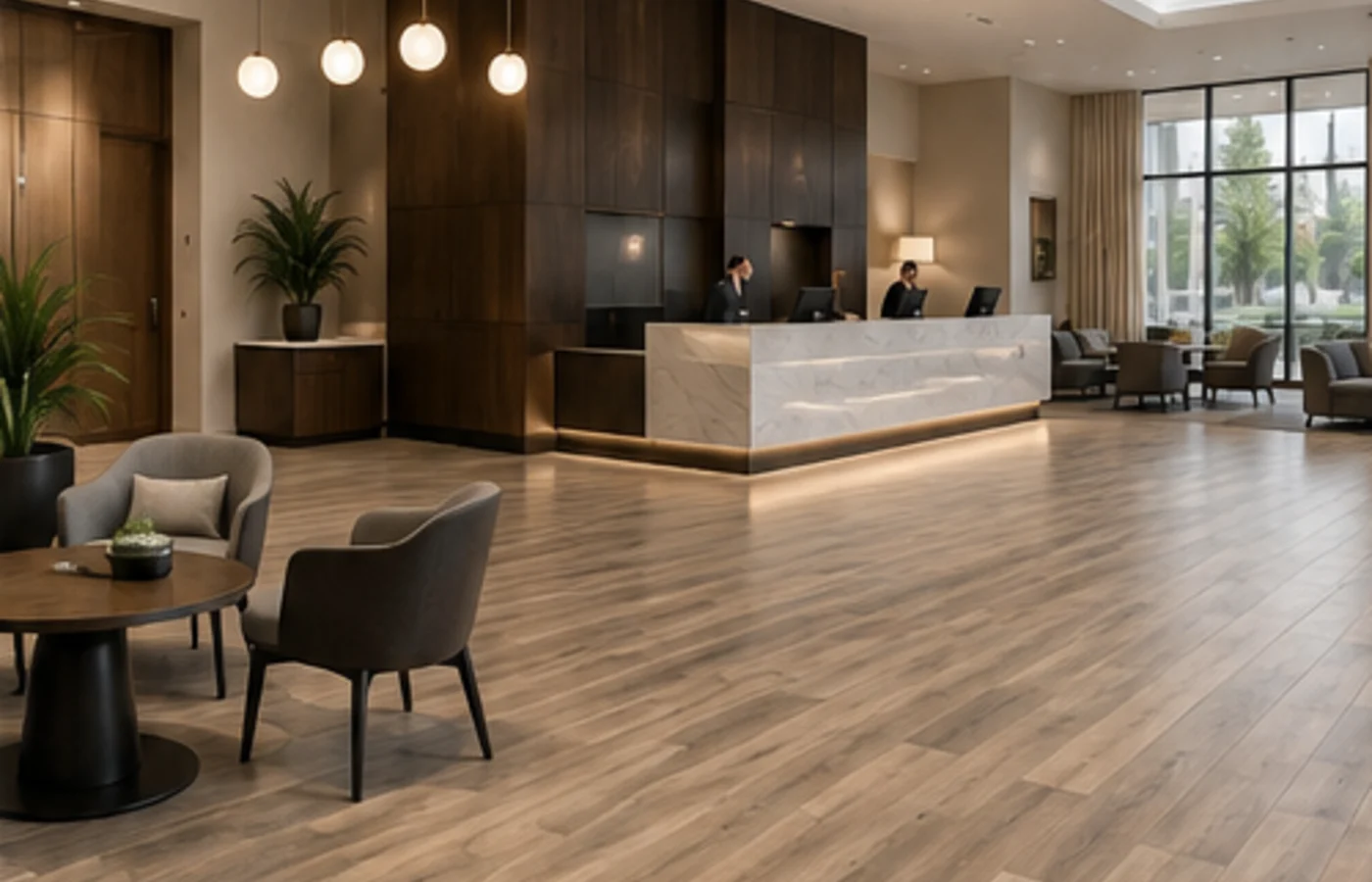
Commercial LVT or SPC can be practical where the brand and assembly allow it. Carpet may still be appropriate where softness, acoustics or the approved design standard drives the specification.
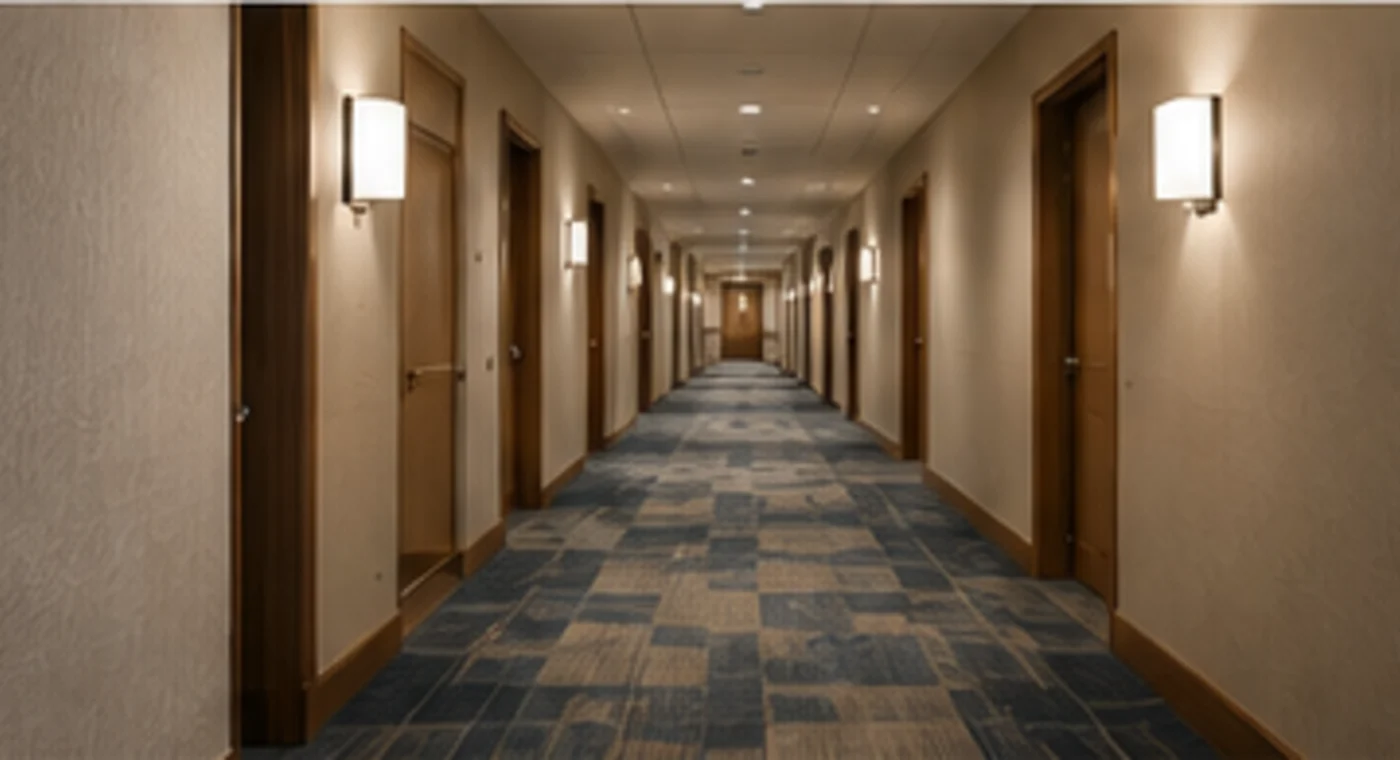
Corridors deserve their own review for rolling housekeeping loads, traffic concentration, replacement access and acoustic performance. Carpet, carpet tile or resilient systems may all be valid depending on the property.
LVT, porcelain, stone-look tile and other commercial systems can fit public areas when the selected construction, entry conditions, slip requirements and maintenance program support them.
Meeting and event spaces often need a different balance of acoustics, rolling furniture, pattern, repairability and appearance than guest rooms.
Fitness rooms may call for rubber flooring or another impact-focused system. Pool-adjacent and wet areas require project-specific surface and slip-performance review.
VCT, resilient, resinous or other commercial systems may fit depending on cleaning chemistry, substrate, rolling loads, moisture and the operating requirements of the space.
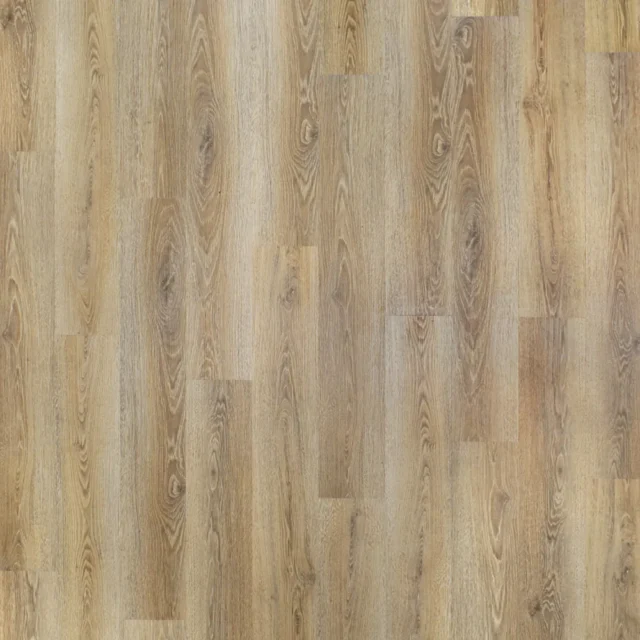
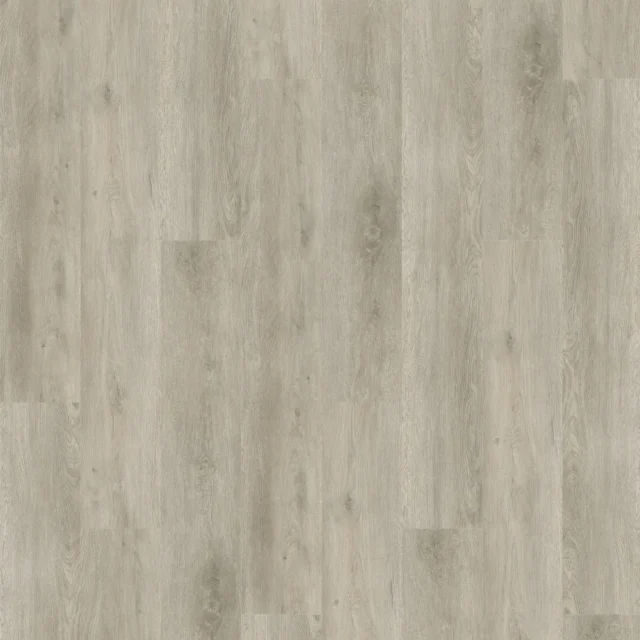
When a rigid-core specification fits the property, CFS stocks commercial 20 mil SPC in multiple wood visuals that can be reviewed as guest-room and suite starting points. These are real stocked products—not a claim that SPC belongs in every hotel space. Final selection should still follow the brand/PIP, substrate, acoustic assembly, installation method and project requirements.
Hospitality project pricing is reviewed at the account or project level. Product cards keep a public reference price visible, while the project CTA routes the selected product into CFS Pro, project/volume or qualifying container review.
 20 MIL COMMERCIAL
 20 MIL COMMERCIAL
 20 MIL COMMERCIAL
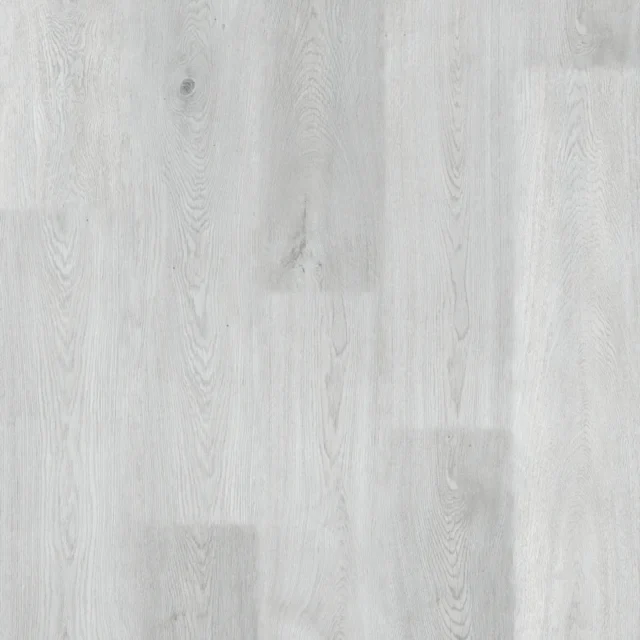 20 MIL COMMERCIAL
 20 MIL COMMERCIAL
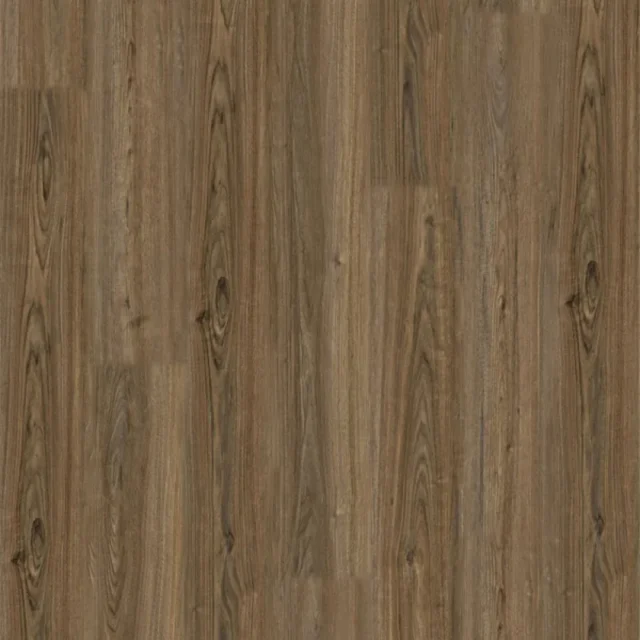 20 MIL COMMERCIAL
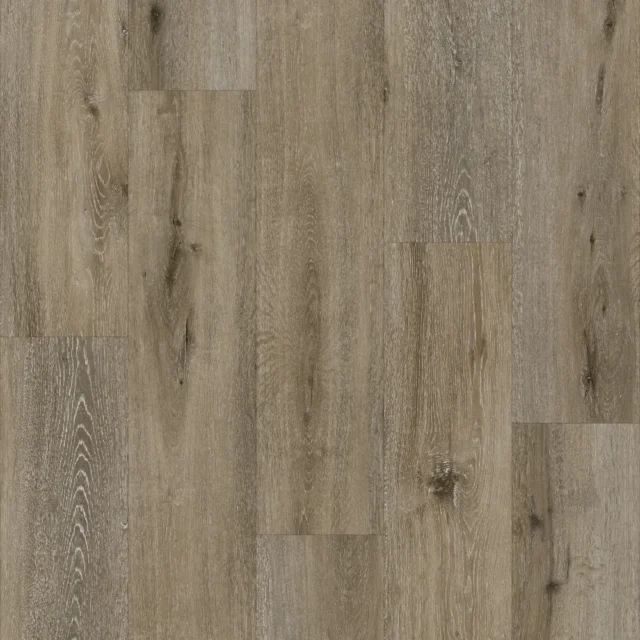 20 MIL COMMERCIAL
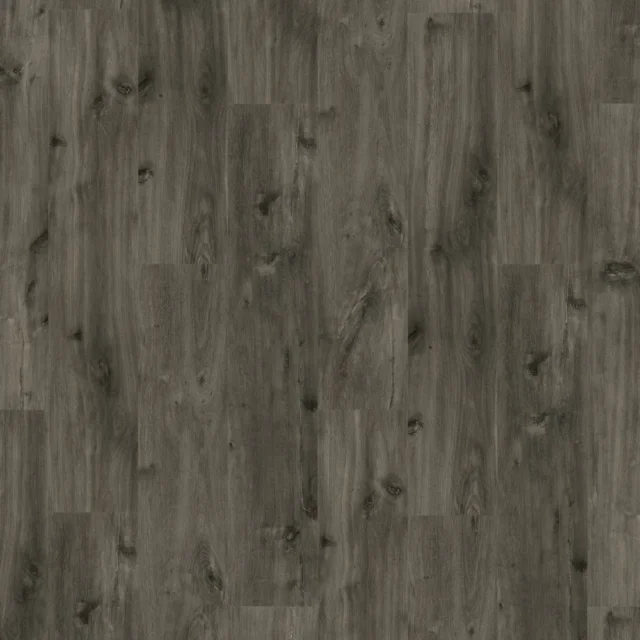 20 MIL COMMERCIAL
Hospitality projects often begin with a named product, a finish schedule or a performance requirement rather than a blank shopping cart. Send CFS the information you already have. We can compare the requirement against available products and help organize the applicable manufacturer documents so the owner, designer, GC or brand reviewer can evaluate the option.
CFS should never imply that an alternate is “approved” before the responsible project authority accepts it. Our job is to make the comparison easier to review and easier to buy.
Send Hospitality Project RequirementsDocumentation varies by product. CFS does not promise a certificate or test result that the selected manufacturer has not supplied.
Hospitality flooring should be coordinated across the property without forcing the same material into every use area. Commercial hotel flooring may include resilient, carpet, tile, rubber or specialized systems depending on the guest experience, brand standard and operating requirement. CFS can support stocked resilient flooring and project-source other commercial categories where the design or performance requirement calls for them.
Hotel guest comfort makes impact sound and airborne sound important, especially between occupied floors. But an attached pad or flooring product does not create a universal IIC/STC result by itself. The project team should compare the required performance with the complete tested floor-ceiling assembly, including the actual structure, ceiling, flooring and underlayment components.
Use manufacturer acoustic documentation only for the tested configuration it represents. ASTM E492 is one recognized laboratory test method for impact sound transmission through floor-ceiling assemblies.
Guest-room and upper-floor projects may have specific IIC or STC requirements. Send CFS the project requirement and proposed flooring system, and we can help assemble the available acoustic and product documentation for review. Acoustic performance depends on the complete floor-ceiling assembly—not just the plank, pad or underlayment—so the final specification should be evaluated against the actual project assembly.
Hotel renovations often happen while the property is still serving guests. That makes receiving and phase planning part of the flooring decision. A useful hospitality flooring supplier should help connect the approved product to the practical order plan instead of treating every renovation like a single warehouse drop.
Keep quantities and product identity tied to each phase so the purchasing team knows what belongs where and can compare future releases against the same specification.
Share delivery ZIP, dock/access conditions, appointment requirements and preferred windows early so freight and receiving can be reviewed before material is released.
Keep the exact CFS product, color, carton coverage and applicable documentation tied to the project so later phases do not restart the selection process.
If the property wants attic/reserve material for future repairs, make that a project decision based on the approved product, property needs and storage capacity rather than an arbitrary universal percentage.
Published website pricing is useful as a transparent reference on stocked products, but it is not the only purchasing path for a serious hospitality project. Approved professional accounts can receive CFS Pro pricing, and hospitality or hotel flooring projects beginning at 18,000+ sq ft can be reviewed for project/volume, truckload and qualifying container or nearshore sourcing. CFS compares the product, quantity, schedule, freight and destination together.
18,000+ SQ FT STARTS PROJECT / VOLUME REVIEW · CONTAINER FIT DEPENDS ON PRODUCT, LOAD, TIMING & DESTINATION
Browse current stocked resilient flooring, product construction, colors and carton coverage, then move the selected hotel products into the appropriate account or project pricing path.
Large hospitality programs can be reviewed against volume, truckload and qualifying container sourcing when the product and project schedule support it.
Use the CFS contractor marketplace to browse flooring contractors or request bids for an upcoming hotel renovation.
For final specifications, use the selected manufacturer’s current instructions, applicable project documents and the requirements of the responsible design/brand/code authority. CFS does not treat a product label, unrelated test result or marketing claim as a substitute for project-specific review.