
Bonded to the substrate
- Firm, direct feel
- Strong starting point for rolling traffic
- Thin profile
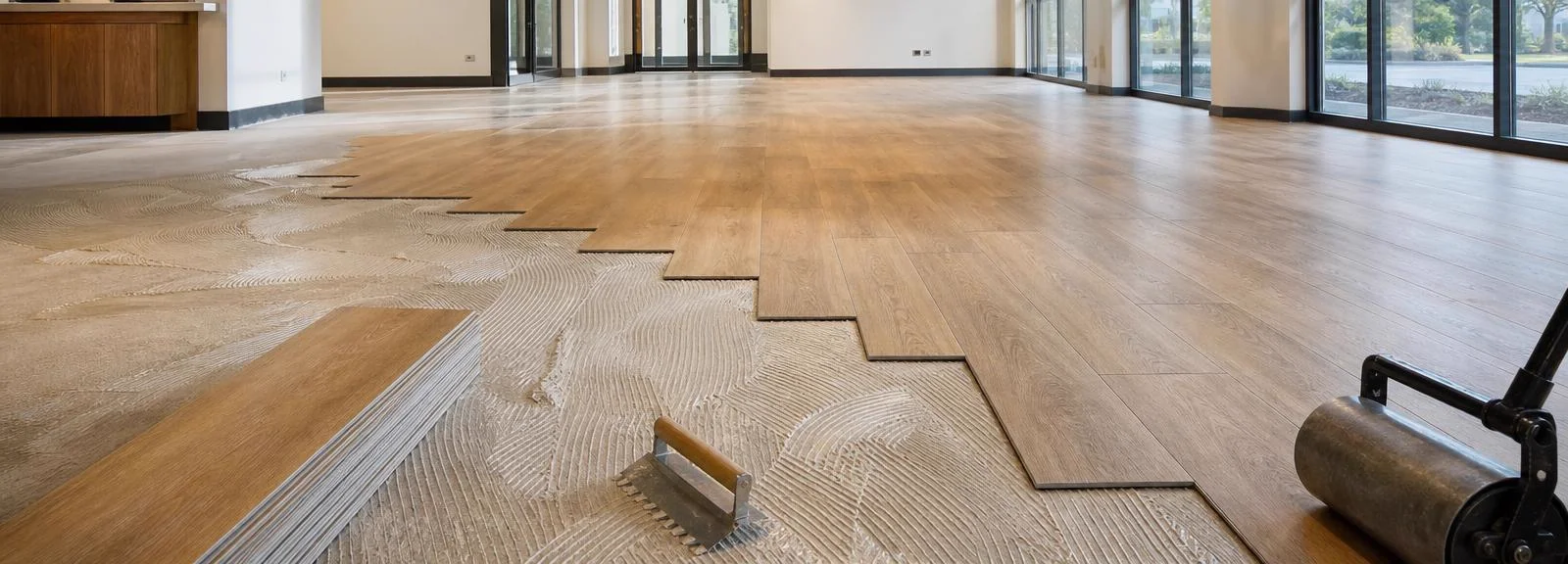
Glue down vs floating LVP is a choice between a floor bonded directly to the substrate and a click-lock floor that moves as one assembly. Glue-down is often favored when rolling loads, a solid feel and localized repairs matter. Floating rigid-core LVP is often favored when speed, easier removal and a cushioned construction matter. Neither method excuses poor subfloor preparation.
Rolling traffic, concentrated loads, low transition heights and a maintenance plan built around local plank replacement often move glue-down to the front of the comparison.
Commercial approval, wheel loads, maximum floating runs, expansion space, moisture limits, adhesives and repair procedures vary by manufacturer and product. The current installation instructions control.
Click-lock floors can simplify occupied renovations and fast-turn work, and many products include an attached pad. The substrate still has to meet the product's flatness and moisture requirements.
The best-ranking comparison pages consistently answer the same buyer questions: How does each floor feel? Which one installs faster? What happens with an imperfect slab, rolling chairs or a damaged plank? The table below answers those questions without treating either method as universally superior.
| Decision factor | Glue-down LVP / LVT | Floating click LVP / SPC |
|---|---|---|
| How it is attached | Planks or tiles are bonded directly to a prepared substrate with an approved adhesive. | Planks lock together and are not bonded across the field to the substrate. |
| Underfoot feel | Typically firmer and more direct, especially over concrete. | Often feels more cushioned when the product includes an attached pad or approved underlayment. |
| Subfloor preparation | Surface imperfections can telegraph through thin flexible material, so smoothness and preparation are critical. | Rigid construction can bridge minor surface texture, but flatness remains critical to protect locking joints and prevent movement. |
| Rolling / concentrated loads | Common commercial starting point because the floor is bonded to the substrate. Verify the product, adhesive and wheel/load requirements. | Product-specific. Some floating floors are commercially rated, but heavy rolling or fixed loads must be checked against the manufacturer's instructions. |
| Installation speed | Usually slower because adhesive application, working time and rolling/setting procedures add steps. | Usually faster because planks click together and there is no full-spread adhesive cure across the field. |
| Spot repair | A damaged plank can often be removed and replaced locally, followed by adhesive/substrate cleanup. | Spot repair may require disassembly from a wall or another manufacturer-approved repair method. |
| Whole-floor removal | More laborious because flooring and adhesive must be released from the substrate. | Usually easier to remove because the field is not bonded to the substrate. |
| Floor height | Flexible dryback products are commonly thinner, useful where door and transition height is tight. | Rigid-core products are commonly thicker because the core and attached backing add depth. |
| Large / open areas | Bonded installation can simplify long continuous fields. | Maximum run, transition and expansion requirements are product-specific; do not assume one universal limit. |
| Moisture | Neither method eliminates substrate moisture evaluation. Concrete moisture, vapor conditions, adhesive limits, underlayment and manufacturer requirements still apply. A water-resistant or waterproof plank does not make the installed room a waterproof assembly. | |
| Acoustics | Direct bond often produces a solid room-side feel. | Attached pad or approved underlayment may change room sound and comfort. IIC/STC claims belong to the complete tested floor-ceiling assembly. |
The Reddit discussion ranking for this search is useful because it focuses on something spec tables often ignore: how the floor feels underfoot. Buyers described glue-down over concrete as firmer and floating LVP with backing as softer. They also repeatedly connected unwanted flex in a floating floor to subfloor preparation.
That distinction matters. "Floating" describes how the floor is installed; it does not mean the planks should visibly flex or bounce under normal walking. A click-lock floor still needs a substrate within the manufacturer's flatness tolerance. Low spots can let a rigid plank deflect, which can create movement, noise or stress at the locking joints.
One of the biggest weaknesses in generic glue-down vs floating advice is the suggestion that floating flooring eliminates preparation. It does not. RFCI notes that rigid core can sometimes tolerate minor substrate variation better than flexible flooring, while still requiring manufacturer limits for flatness, expansion, moisture and underlayment.
Glue-down can telegraph substrate texture. Floating click systems can deflect over low spots and stress joints. Different failure mode; same need for a compliant substrate.
Concrete moisture can affect adhesives, vapor systems and the floor assembly below either product. Follow the current product and adhesive requirements.
Expansion space, maximum runs, transitions, fixed objects, rolling loads and approved underlayments are not universal numbers. Use the exact installation guide for the selected SKU.
These are starting points, not blanket specifications. The selected flooring, substrate, warranty and installation documents still have to approve the application.
Glue-down is often the first method to evaluate because the field is bonded. Verify rolling-load limits, wheel type, furniture protection and adhesive selection.
Floating click can reduce installation steps and avoids full-spread adhesive across the field. That speed is valuable only when the existing substrate is within tolerance.
Flexible glue-down LVP is commonly thinner than rigid-core click flooring, which can make it easier to manage existing elevations.
A thicker floating product with attached pad may feel less hard over concrete. Compare the actual construction rather than assuming every floating floor feels the same.
Glue-down can make a single-plank repair more localized. Floating click can be easier to remove as a whole floor, but spot repair depends on access and the approved repair method.
Bonded flooring can simplify continuous runs. Floating-floor run limits and transition requirements vary by product and room geometry, so confirm before layout is finalized.
Several ranking pages call floating flooring easier to replace, and that can be true when the goal is removing the entire floor. For one damaged plank in the middle of a finished room, however, the comparison can reverse.
With glue-down, an installer can often remove the damaged plank locally, prepare the small area and install a replacement. With click-lock flooring, the normal repair path may involve working back from an accessible edge unless the manufacturer provides a cut-and-replace procedure.
The practical takeaway is to decide what kind of repair you expect: spot maintenance over a long service period or rapid removal when the space is renovated again.
Glue-down and floating LVP shift cost into different buckets. Glue-down can add adhesive, substrate preparation and labor steps. Floating rigid-core material can carry more construction in the plank itself and often installs faster. The final installed cost depends on the actual floor, substrate condition, labor market, demolition, transitions and downtime.
CFS should not publish a generic dollar difference between the two methods because the spread changes by product and job condition. Compare the real material and installation scope for the space you are buying.
Shop current CFS rigid-core products with published online pricing, exact color samples and full-carton ordering.
Shop Stocked SPC FlooringReview glue-down construction, applications and current sourcing availability without pretending unverified dryback stock is on the shelf.
Explore Glue-Down LVP 20 MIL COMMERCIAL
 20 MIL COMMERCIAL
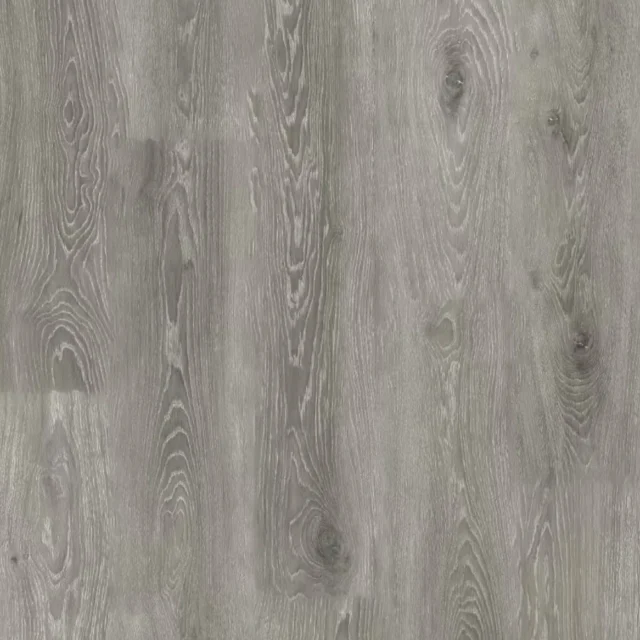 20 MIL COMMERCIAL
 22 MIL COMMERCIAL
Then verify the exact product. If the space has rolling loads, fixed equipment, difficult moisture conditions, unusual sunlight, large uninterrupted runs or acoustic requirements, the manufacturer's installation and warranty documents should settle the final method.