
SPC Flooring & Rigid Core Vinyl Plank for Commercial Projects
Shop stocked SPC flooring with published wholesale pricing. Compare 20 and 22 mil commercial options, review plank size and total thickness, and use current product documents to buy with more confidence.
SPC Flooring Page Guide
Shop Stocked SPC Flooring
Start with real stocked products. These product cards show the same published pricing, specifications, carton coverage, sample option, and Calculate & Buy tools used in the full catalog.
-
 20 MIL COMMERCIAL
TruGrade™ 20 · CFS Heritage Oak Commercial Vinyl Plank Flooring (SPC) SPC · 5.5 mm · 20 Mil · 7"x48" · 24.26 sf/box$1.50/sq ft$36.39 /carton · 24.26 sq ft
20 MIL COMMERCIAL
TruGrade™ 20 · CFS Heritage Oak Commercial Vinyl Plank Flooring (SPC) SPC · 5.5 mm · 20 Mil · 7"x48" · 24.26 sf/box$1.50/sq ft$36.39 /carton · 24.26 sq ft -
 20 MIL COMMERCIAL
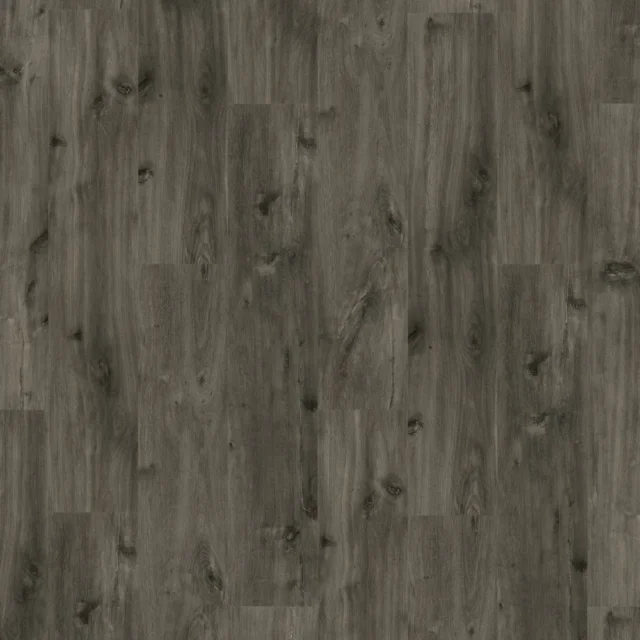
TruGrade™ 20 · CFS Silver Fog Oak Commercial Vinyl Plank Flooring (SPC) SPC · 5.5 mm · 20 Mil · 7"x48" · 24.26 sf/box$1.50/sq ft$36.39 /carton · 24.26 sq ft
20 MIL COMMERCIAL
TruGrade™ 20 · CFS Silver Fog Oak Commercial Vinyl Plank Flooring (SPC) SPC · 5.5 mm · 20 Mil · 7"x48" · 24.26 sf/box$1.50/sq ft$36.39 /carton · 24.26 sq ft -
 20 MIL COMMERCIAL
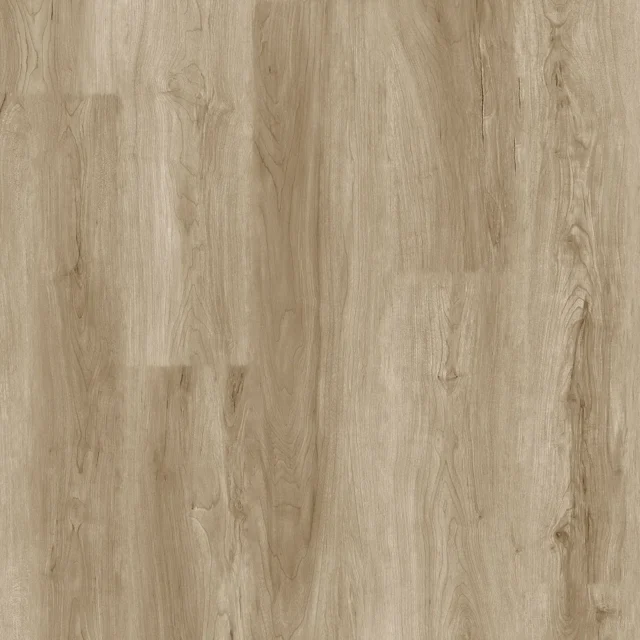
TruGrade™ XL 20 · CFS Prairie Natural Oak Commercial Vinyl Plank Flooring (SPC) SPC · 6 mm · 20 Mil · 9"x60" · 26.60 sf/box$1.50/sq ft$39.90 /carton · 26.6 sq ft
20 MIL COMMERCIAL
TruGrade™ XL 20 · CFS Prairie Natural Oak Commercial Vinyl Plank Flooring (SPC) SPC · 6 mm · 20 Mil · 9"x60" · 26.60 sf/box$1.50/sq ft$39.90 /carton · 26.6 sq ft -
 20 MIL COMMERCIAL
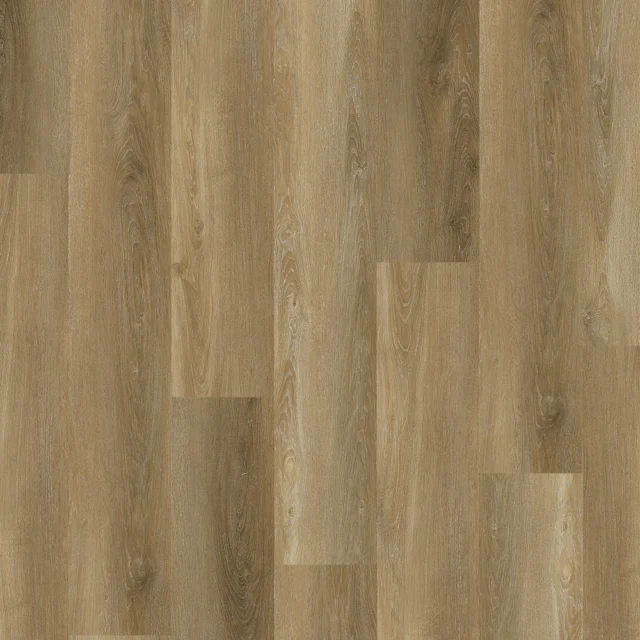
TruGrade™ XL 20 · CFS Coastal Blonde Oak Commercial Vinyl Plank Flooring (SPC) SPC · 6 mm · 20 Mil · 9"x60" · 26.60 sf/box$1.50/sq ft$39.90 /carton · 26.6 sq ft
20 MIL COMMERCIAL
TruGrade™ XL 20 · CFS Coastal Blonde Oak Commercial Vinyl Plank Flooring (SPC) SPC · 6 mm · 20 Mil · 9"x60" · 26.60 sf/box$1.50/sq ft$39.90 /carton · 26.6 sq ft -
 22 MIL COMMERCIAL
TruGrade™ Ultra 22 · CFS Homestead Oak Commercial Vinyl Plank Flooring (SPC) SPC · 8 mm · 22 Mil · 9"x60" · 19.29 sf/box$1.50/sq ft$28.94 /carton · 19.29 sq ft
22 MIL COMMERCIAL
TruGrade™ Ultra 22 · CFS Homestead Oak Commercial Vinyl Plank Flooring (SPC) SPC · 8 mm · 22 Mil · 9"x60" · 19.29 sf/box$1.50/sq ft$28.94 /carton · 19.29 sq ft -
 22 MIL COMMERCIAL
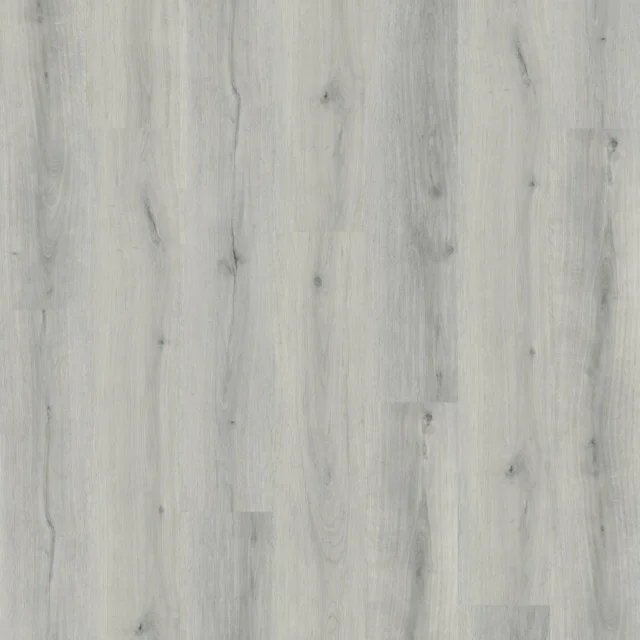
TruGrade™ Ultra 22 · CFS Sterling Oak Commercial Vinyl Plank Flooring (SPC) SPC · 8 mm · 22 Mil · 9"x60" · 19.29 sf/box$1.50/sq ft$28.94 /carton · 19.29 sq ft
22 MIL COMMERCIAL
TruGrade™ Ultra 22 · CFS Sterling Oak Commercial Vinyl Plank Flooring (SPC) SPC · 8 mm · 22 Mil · 9"x60" · 19.29 sf/box$1.50/sq ft$28.94 /carton · 19.29 sq ft -
 22 MIL COMMERCIAL
Apex 22 · CFS Dune Beige Oak Commercial Vinyl Plank Flooring (SPC) SPC · 8 mm · 22 Mil · 7"x48" · 16.83 sf/box$2.70/sq ft$45.44 /carton · 16.83 sq ft
22 MIL COMMERCIAL
Apex 22 · CFS Dune Beige Oak Commercial Vinyl Plank Flooring (SPC) SPC · 8 mm · 22 Mil · 7"x48" · 16.83 sf/box$2.70/sq ft$45.44 /carton · 16.83 sq ft -
 22 MIL COMMERCIAL
Apex 22 · CFS Colonial Chestnut Commercial Vinyl Plank Flooring (SPC) SPC · 8 mm · 22 Mil · 7"x48" · 16.83 sf/box$2.00/sq ft$33.66 /carton · 16.83 sq ft
22 MIL COMMERCIAL
Apex 22 · CFS Colonial Chestnut Commercial Vinyl Plank Flooring (SPC) SPC · 8 mm · 22 Mil · 7"x48" · 16.83 sf/box$2.00/sq ft$33.66 /carton · 16.83 sq ft
-
 20 MIL COMMERCIAL
TruGrade™ 20 · CFS Meadow Oak Commercial Vinyl Plank Flooring (SPC) SPC · 5.5 mm · 20 Mil · 7"x48" · 24.26 sf/box$1.50/sq ft$36.39 /carton · 24.26 sq ft
20 MIL COMMERCIAL
TruGrade™ 20 · CFS Meadow Oak Commercial Vinyl Plank Flooring (SPC) SPC · 5.5 mm · 20 Mil · 7"x48" · 24.26 sf/box$1.50/sq ft$36.39 /carton · 24.26 sq ft -
 20 MIL COMMERCIAL
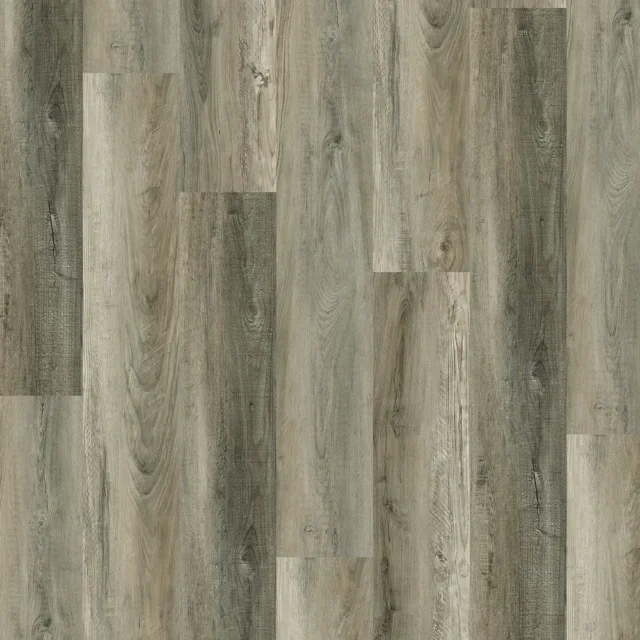
TruGrade™ XL 20 · CFS Smoked Taupe Oak Commercial Vinyl Plank Flooring (SPC) SPC · 6 mm · 20 Mil · 9"x60" · 26.60 sf/box$1.50/sq ft$39.90 /carton · 26.6 sq ft
20 MIL COMMERCIAL
TruGrade™ XL 20 · CFS Smoked Taupe Oak Commercial Vinyl Plank Flooring (SPC) SPC · 6 mm · 20 Mil · 9"x60" · 26.60 sf/box$1.50/sq ft$39.90 /carton · 26.6 sq ft -
 22 MIL COMMERCIAL
TruGrade™ Ultra 22 · CFS Pearl Birch Commercial Vinyl Plank Flooring (SPC) SPC · 8 mm · 22 Mil · 9"x60" · 19.29 sf/box$1.50/sq ft$28.94 /carton · 19.29 sq ft
22 MIL COMMERCIAL
TruGrade™ Ultra 22 · CFS Pearl Birch Commercial Vinyl Plank Flooring (SPC) SPC · 8 mm · 22 Mil · 9"x60" · 19.29 sf/box$1.50/sq ft$28.94 /carton · 19.29 sq ft -
 22 MIL COMMERCIAL
Apex 22 · CFS Classic Natural Oak Commercial Vinyl Plank Flooring (SPC) SPC · 8 mm · 22 Mil · 7"x48" · 16.83 sf/box$2.00/sq ft$33.66 /carton · 16.83 sq ft
22 MIL COMMERCIAL
Apex 22 · CFS Classic Natural Oak Commercial Vinyl Plank Flooring (SPC) SPC · 8 mm · 22 Mil · 7"x48" · 16.83 sf/box$2.00/sq ft$33.66 /carton · 16.83 sq ft
What Is SPC Flooring?
SPC is rigid-core luxury vinyl flooring built around a dense stone-plastic composite core. In practical buying terms, that means a click-lock floor that offers a stable construction, resilient-floor maintenance, and a commercial look that works across multifamily, hospitality, office, and light commercial spaces.
The category is popular for a reason: it gives buyers a strong balance of price, appearance, and installation speed. But the correct product still comes down to the details that actually affect the job—wear layer, total thickness, plank size, attached pad, the locking system, and the installation requirements for the subfloor.
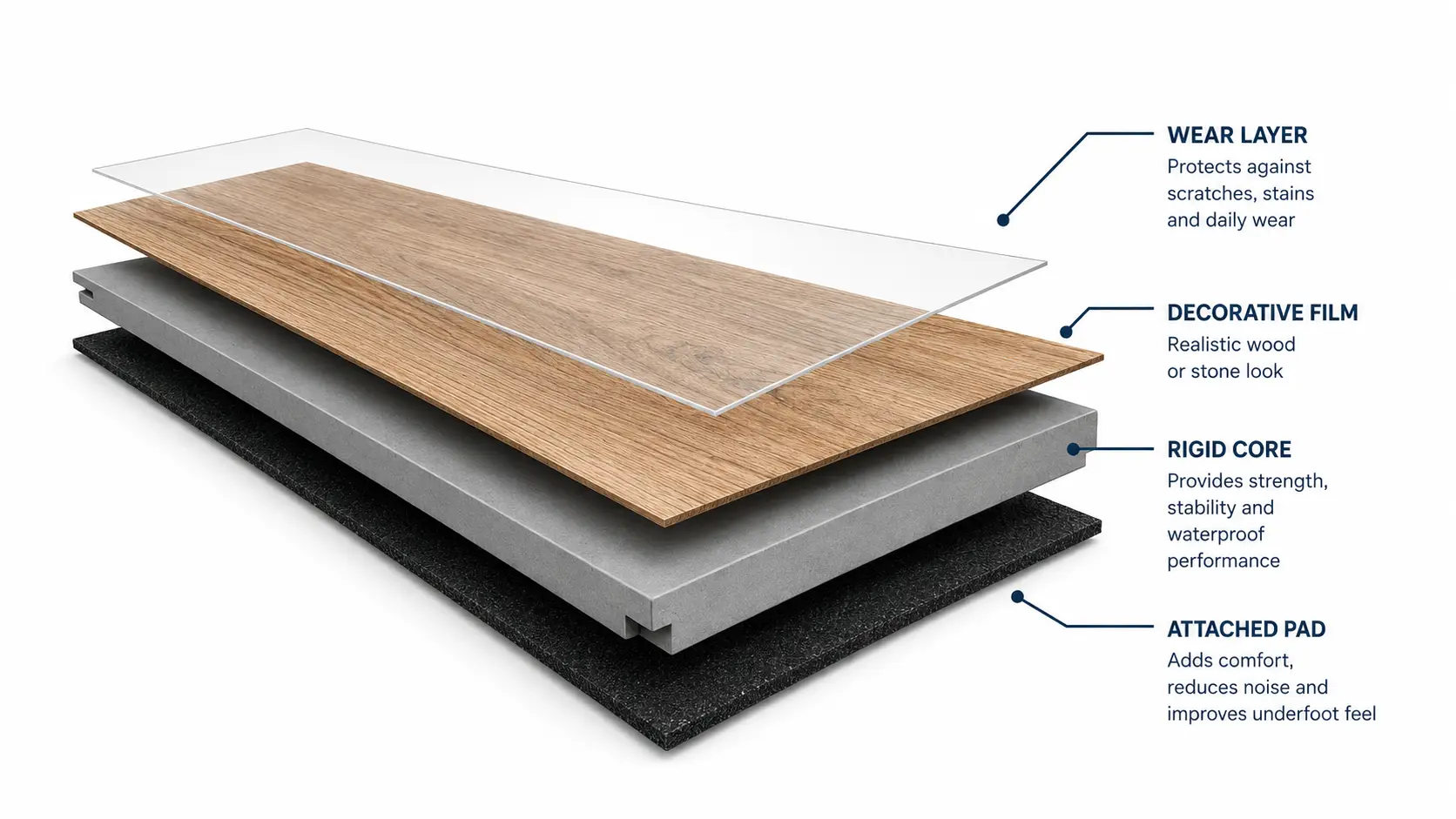
Typical SPC rigid-core construction
A typical SPC plank includes a clear wear layer, a decorative film, a rigid composite core, and often an attached pad. That construction can deliver dimensional stability and a strong value proposition for commercial buyers, but the actual performance still depends on the specific product and its current technical documents.
Important clarification: the rigid core itself is non-absorptive, but the full installed floor still depends on joints, perimeter details, transitions, and substrate conditions. Use the selected product's installation instructions for the complete assembly.
How to Choose SPC for a Commercial Project
For most buyers, the goal is not just to find any rigid-core plank. It is to find an SPC floor that looks right, fits the subfloor condition, and holds up under the way the space will actually be used.
Start with the wear layer
Many commercial buyers begin at 20 mil, and CFS also stocks 22 mil SPC options. Treat the wear layer as one of the first filters, not the only one.
Check total thickness and plank size
Total thickness affects feel and transitions. Plank size affects the overall look, seam count, and how the floor reads in corridors, units, and open spaces.
Review the locking system and attached pad
Those details influence installation, comfort, and acoustics. An attached pad can help, but acoustic performance should be evaluated from the tested assembly—not from a marketing claim alone.
Use the technical documents
Before release, confirm the product data sheet, installation instructions, warranty, and any required documentation for the project.
SPC vs. Glue-Down LVP vs. WPC
SPC is not the only vinyl construction on the market, but it is often the most practical starting point for buyers who want a stocked commercial plank with a modern format and straightforward maintenance.
| Buyer question | SPC | Glue-down LVP | WPC flooring |
|---|---|---|---|
| What is it? | Rigid-core click-lock vinyl flooring. | Flexible vinyl plank bonded directly to the subfloor. | Rigid-core vinyl with a softer, foamed core structure. |
| Where does it usually fit best? | Renovations, multifamily, guest rooms, offices, and light commercial spaces where speed and value matter. | Projects that need a lower profile, a fully bonded floor, or a system better suited to certain long runs and rolling-load conditions. | Spaces where a softer feel underfoot matters more than a denser commercial-focused rigid core. |
| What should you watch closely? | Subfloor flatness, transitions, and the exact product documentation. | Subfloor preparation, adhesive requirements, and installation labor. | Whether the construction and documentation truly match the commercial use case. |
| Why buyers choose it | Strong balance of price, look, and installation convenience. | Low-profile bonded construction and a different installation path. | Softer feel and comfort in the right setting. |
If you are comparing floating and bonded systems, the best choice usually comes down to the condition of the slab, finished-floor height, phasing, and how the space will be used after turnover.
Where SPC Fits Best
Rigid-core SPC is often selected where buyers want a cleaner wood-look visual than VCT, less ongoing maintenance, and an easier path to published product pricing.
Multifamily & apartment turns
SPC is a strong fit when unit-turn speed, repeatable layouts, and a durable hard surface matter.
Hospitality guest rooms
Guest rooms and select corridors often benefit from SPC when the project wants a resilient surface with a warm visual and straightforward replacement planning.
Offices and light commercial interiors
SPC works well in offices, shared work areas, and general commercial interiors where a hard-surface plank floor fits the design and maintenance plan.
Renovation-driven projects
When the project needs stocked product, faster decisions, and a simple shopping path, SPC often gives buyers a very efficient route from selection to delivery.
SPC Installation and Subfloor Considerations
Rigid-core construction can make renovation work easier, but it is not a substitute for subfloor preparation. The slab or subfloor still needs to meet the selected product's flatness, moisture, cleanliness, and installation requirements.
That matters because even a well-built SPC plank can only perform as well as the surface below it. High spots, low spots, moisture issues, or ignored transition details can create avoidable problems during installation or after turnover.
Helpful rule of thumb: SPC can simplify some installations, but it should not be treated as a fix for an unprepared substrate. If the floor below needs correction, the right move is still to prepare the subfloor correctly before material is installed.
Ready to Price the Project?
Published prices are available on stocked SPC products now. If you buy repeatedly, apply for CFS Pro pricing. If you are pricing a larger job, we can review volume, truckload, or qualifying nearshore/container sourcing options without changing your product-selection workflow.
Get Your Pro Pricing →PUBLISHED WHOLESALE PRICING · CFS PRO ACCOUNT PRICING · LARGER-PROJECT REVIEW
SPC FAQs
What does SPC stand for in flooring?
Is SPC flooring waterproof?
Is SPC flooring good for commercial use?
What wear layer should I look for in commercial SPC flooring?
What's the difference between SPC and glue-down LVP?
What should I compare before buying SPC flooring?
Product-specific requirements should be confirmed from the current technical documents. General standards resources include ASTM International and FloorScore®.